
Both cold and heat therapies offer powerful anti-inflammatory benefits—but they work in different ways. Here’s how to know which one your body needs.
If you’re searching for natural ways to reduce chronic inflammation, you’ve likely come across two trending tools: cold plunges and infrared saunas. Both have gained momentum in wellness and athletic circles for good reason—they can calm the nervous system, ease pain, support recovery, and even enhance immunity.
But they aren’t interchangeable. Choosing the right one for you depends on your goals, your baseline health, and how your body responds to stress.
In this article, we’ll break down how each modality works, the pros and cons, safety considerations, and when to use each—especially if you’re dealing with chronic inflammation.
What Happens to the Body During Cold Therapy?

Cold plunges (or cold water immersion) involve submerging your body in water that ranges from 39°F to 59°F (4°C to 15°C), typically for 2 to 5 minutes.
The initial shock triggers a hormetic response—a mild stressor that, in small doses, helps the body build resilience. You’ll experience a spike in norepinephrine, improved blood flow, and a reduction in inflammatory cytokines like IL-6 and TNF-alpha.
Benefits of Cold Plunges:
-
Reduces acute muscle soreness and joint inflammation
-
Supports mental resilience and mood regulation
-
Improves circulation and metabolic flexibility
-
May lower systemic inflammation over time with consistent use
But keep in mind:
-
Cold exposure is a stressor. If your system is already overloaded—burnout, anxiety, poor sleep—it may backfire.
-
Not suitable for everyone. People with cardiovascular issues, Raynaud’s, or certain thyroid conditions should proceed with medical guidance.
-
It requires a learning curve—breath control, discipline, and consistency matter.
When to use it:
If you feel inflamed after a tough workout, during a flare-up, or when mental fog is high, cold plunges may help your body “reset.”
How Infrared Saunas Fight Inflammation
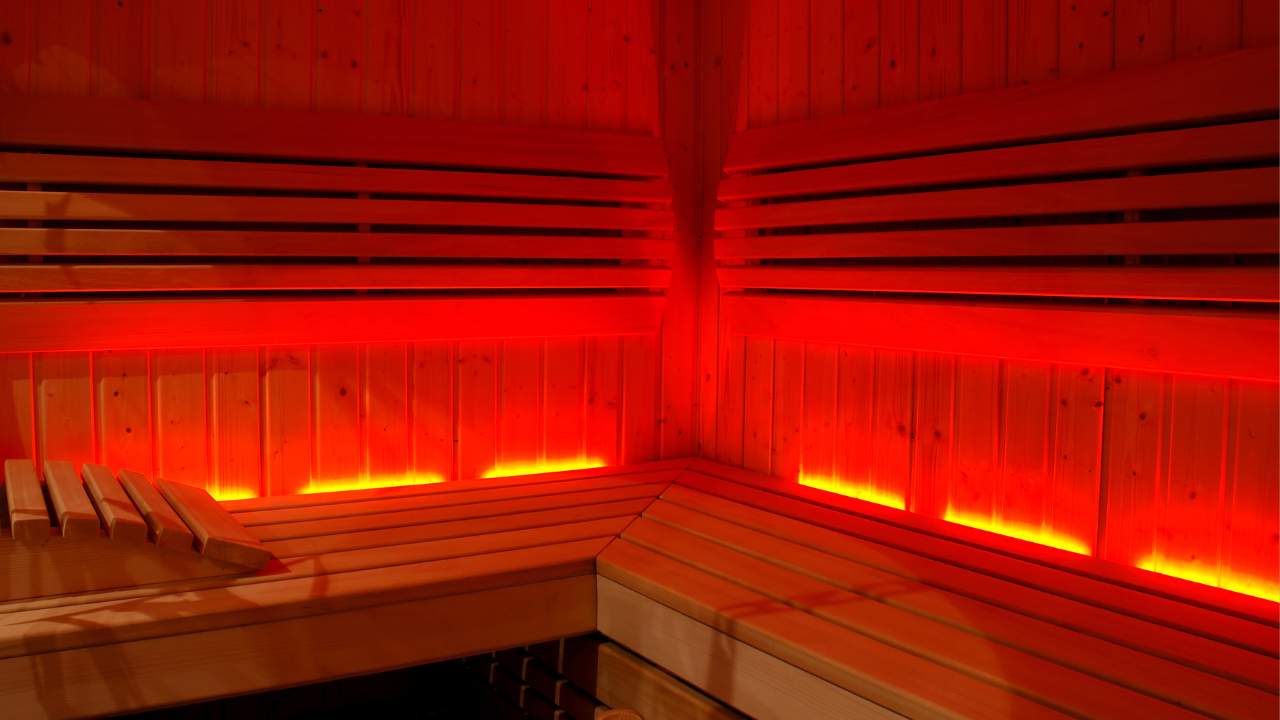
Infrared therapy uses light (not just heat) to penetrate deep into the skin and soft tissues, stimulating cellular repair, detoxification, and circulation.
Unlike traditional saunas that heat the air around you, infrared heat works from the inside out—warming your body at lower, more tolerable temperatures (typically 120°F–150°F).
Benefits of Infrared Saunas:
-
Promotes vasodilation and improved blood flow
-
Supports detox through sweat, without overtaxing the body
-
Activates heat shock proteins—molecules that repair damage and reduce oxidative stress
-
Relaxes the nervous system, improving vagal tone and sleep
A few cautions:
-
You’ll sweat—so hydration and electrolytes matter
-
Some people feel fatigued after, especially if they overdo it
-
Requires a dedicated space or studio access
When to use it:
If you’re dealing with chronic tension, hormone imbalances, or nervous system dysregulation, infrared heat may be the better fit. It soothes more than stimulates.
Which One Is Better for Inflammation?
It depends on the root of your inflammation.
Cold therapy is great for acute recovery, reducing swelling, and increasing alertness. Think of it as a system shock that helps clear debris and reduce flare-ups.
Infrared therapy is better for deeper, chronic inflammation—especially when the root is tied to stress, sleep disruption, or long-term immune dysregulation.
Some people benefit from both. Contrast therapy (alternating cold and heat) can boost circulation and lymphatic drainage, especially when used in recovery cycles.
Best Practices and Safety Tips
Whichever method you choose, consistency is more important than intensity. Start slow. Listen to your body. Make sure you’re using quality tools—temperature-controlled tubs or high-quality far-infrared panels matter.
Cold Plunge Tips:
-
Start with 30 seconds to 2 minutes
-
Use breathwork (like box breathing) to manage the shock
-
Avoid late-night plunges if it interferes with sleep
Infrared Sauna Tips:
-
Begin with 10-15 minutes at lower temps
-
Hydrate before and after
-
Use calming music, dim lighting, or breathwork to deepen the rest response
Final Thoughts
You don’t have to pick one forever. Both cold and heat have earned their place in the anti-inflammatory toolkit. What matters most is how your body responds, and how the practice fits into your lifestyle.
Cold plunges are energizing, efficient, and mentally invigorating. Infrared saunas are nurturing, grounding, and deeply restorative. Whichever one you choose, you’re sending your body the message that recovery is a priority—and that’s when real healing begins.
Curious about the best cold plunge tubs or portable infrared wraps for home use?
Explore our curated recommendations on the [Inflammation Directory homepage](#), where we highlight trusted, non-hype tools for real healing.