
Eating well shouldn’t feel like a chore—or only happen on Sundays. You can lay the foundation for lower inflammation with simple, everyday swaps. No expensive meals. No complicated recipes. Just real food, swapped smartly for better results.
Here are six swaps you can make today—along with the why, the how, and the tools that help.
1. Swap Seed Oils for Anti-Inflammatory Fats
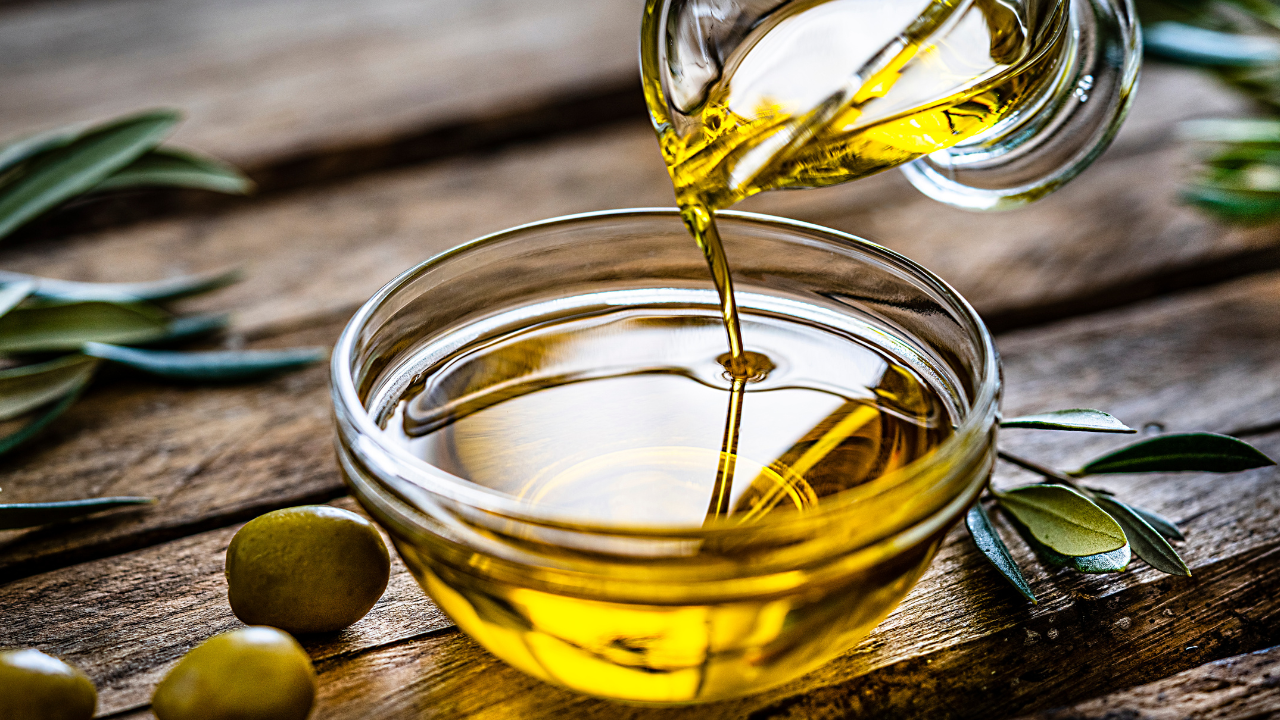 Why: Seed oils (like soybean, canola, corn) are high in omega-6s, which can tip the balance toward inflammation.
Swap: Use olive oil, avocado oil, ghee, or grass-fed butter instead.
Tool Tip: A good quality olive oil bottle stays fresh for months and encourages home use.
2. Add Curcumin-Rich Spices

Why: Curcumin blocks inflammatory pathways like NF‑κB.
Swap: Add ¼ tsp turmeric or ¼ tsp ginger to smoothies, soups, or dressings.
Tool Tip: Use Thorne’s Meriva® supplement for deeper support—or a spice shaker to build the habit.
3. Replace Refined Carbs with Fiber-Rich Whole Foods
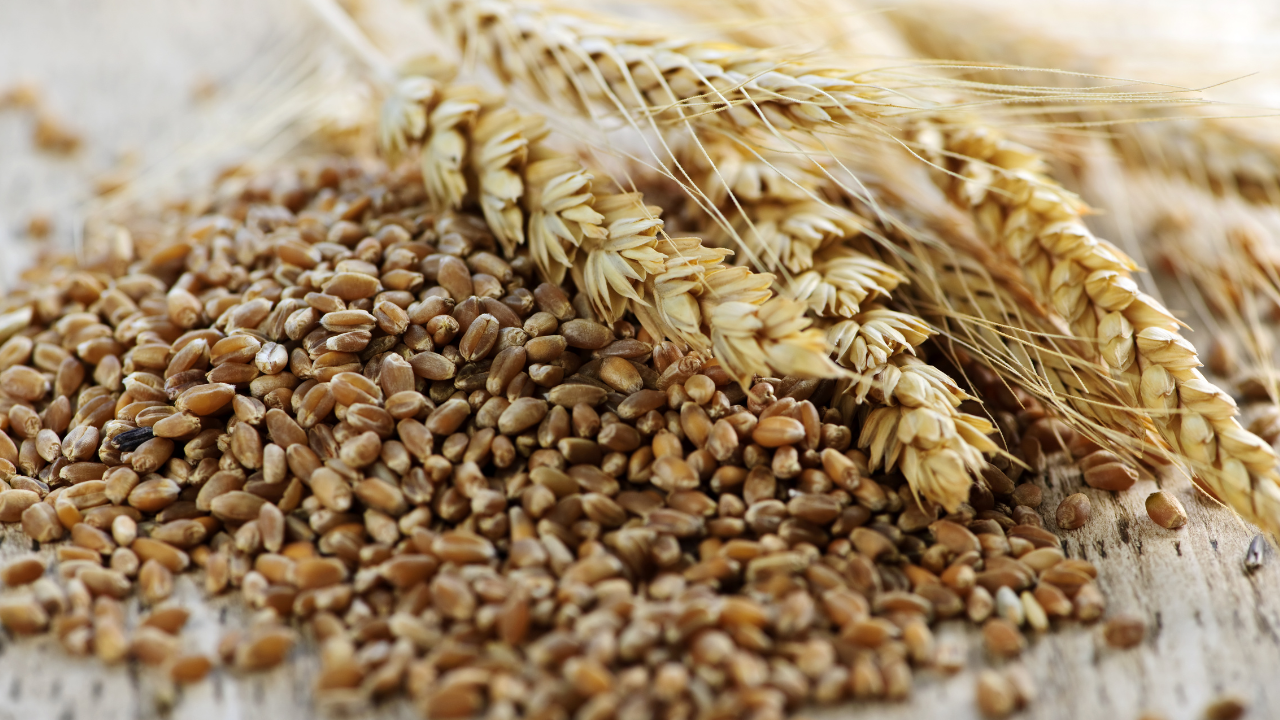
Why: Sugar spikes drive insulin resistance and inflammation.
Swap: Use sweet potato, quinoa, or legumes instead of white bread, pasta, or rice.
Tool Tip: An air fryer or smart plug can make roasted sweet potatoes easy and hands-free.
4. Include Cold-Water Fish or Plant-Based Omegas
Why: EPA/DHA fatty acids are well-known inflammation regulators.
Swap: Add salmon, sardines, chia, or flax daily.
Tool Tip: A trusted fish oil capsule from your supplement stack helps fill gaps.
5. Bake with Nuts or Nut Flours
Why: Almonds, walnuts, and pistachios are rich in antioxidants while being low in sugar.
Swap: Use almond or oat flour in muffins, pancakes, and wraps.
Tool Tip: A quality food processor makes mixing nut-based recipes quick and easy.
6. Snack Smart: Fermented Foods and Antioxidants
Why: Probiotic-rich foods support gut health and reduce immune reactivity.
Swap: Choose kimchi, yogurt, or kombucha over crackers or processed bars.
Tool Tip: Keep a small fridge or kitchen drawer dedicated to anti-inflammatory staples for easy access.
These Swaps Work Because…
-
They reduce pro-inflammatory drivers like sugar and omega-6 oils.
-
They support your gut, giving beneficial bacteria what they need to thrive.
-
They offer micronutrients like magnesium, vitamin C, and polyphenols that regulate inflammation systems.
FAQs & Troubleshooting
But I love my pasta and cereal—can I still have them occasionally?
Yes. These swaps are meant to be lifestyle adjustments, not total eliminations. Something is better than nothing. Start with one or two and gradually expand.
These all sound expensive. Are there budget options?
Absolutely. Buy olive oil in bulk, frozen veggies, or use chia seeds. Recipes like nut flour pancakes can be surprisingly affordable when made at home.
Where do I get clear guidance or recipes?
The Directory includes recipes and supportive tools in our blog and meal plan section—no overwhelm, just daily wins.
Wrap-Up
Anti-inflammatory eating doesn’t mean fancy meals—it means smart swaps that build healthier habits. Start today with one change. Build trust in your food, and layer on the next. Your body will thank you from the inside out.
Want recipes, tools, and daily habits that complement your new food plan? Explore resources in our directory—designed to support real-world, sustainable wellness.