If your gut is inflamed, your whole body is inflamed. That’s not just a catchy phrase—it’s biological fact. The gut isn’t just where you digest food; it’s where much of your immune system lives, and it plays a central role in regulating inflammation throughout your body.
In this article, we’ll break down how gut health affects inflammation, what disrupts this relationship, and the tools you can use to restore balance—starting with your microbiome.
The Gut-Inflammation Connection
Your intestinal lining is supposed to act like a tight seal. But things like stress, antibiotics, processed food, and poor sleep can weaken that barrier, allowing toxins and food particles to leak into the bloodstream. This triggers an immune response—what’s often called low-grade systemic inflammation.
Meanwhile, the microbes in your gut (your microbiome) directly influence inflammation. Some strains help reduce it; others can increase it.
Signs Your Gut May Be Driving Inflammation
-
Bloating, constipation, or frequent gas
-
Skin issues like acne, eczema, or rosacea
-
Joint pain or brain fog after meals
-
Food sensitivities that seem to be increasing
-
Mood swings or anxiety tied to digestion
Solutions That Support a Healthier Gut
Let’s be clear: gut healing doesn’t happen overnight. But consistent, gentle steps add up. Here are some tools that make a difference:
1. Probiotics
Not all probiotics are created equal. Look for strain-specific blends backed by clinical research. Brands like Seed or Just Thrive offer targeted support for gut barrier repair and immune balance.
2. Prebiotics
Fiber is food for your good bacteria. Chicory root, partially hydrolyzed guar gum, or acacia fiber can gently boost beneficial species without triggering bloating.
3. Gut-Supportive Supplements
-
L-glutamine: Helps repair leaky gut lining
-
Zinc carnosine: Reduces intestinal inflammation
-
Digestive enzymes: Support breakdown and absorption of food
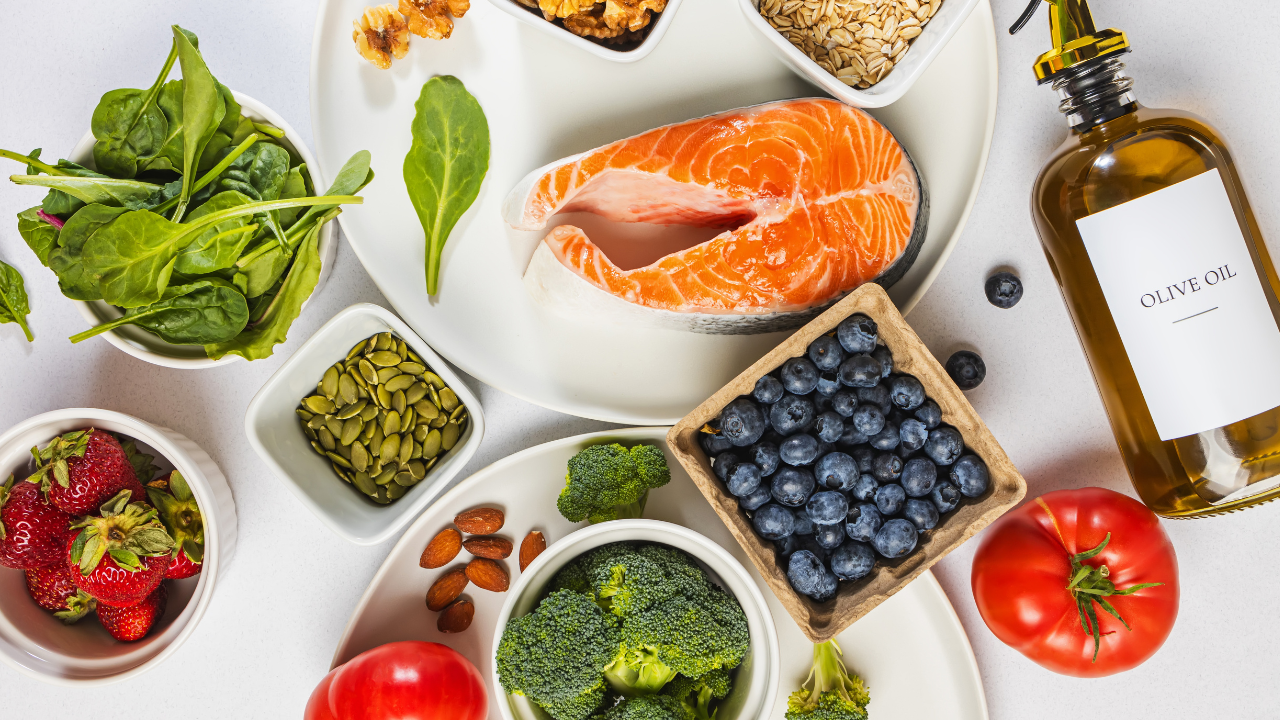
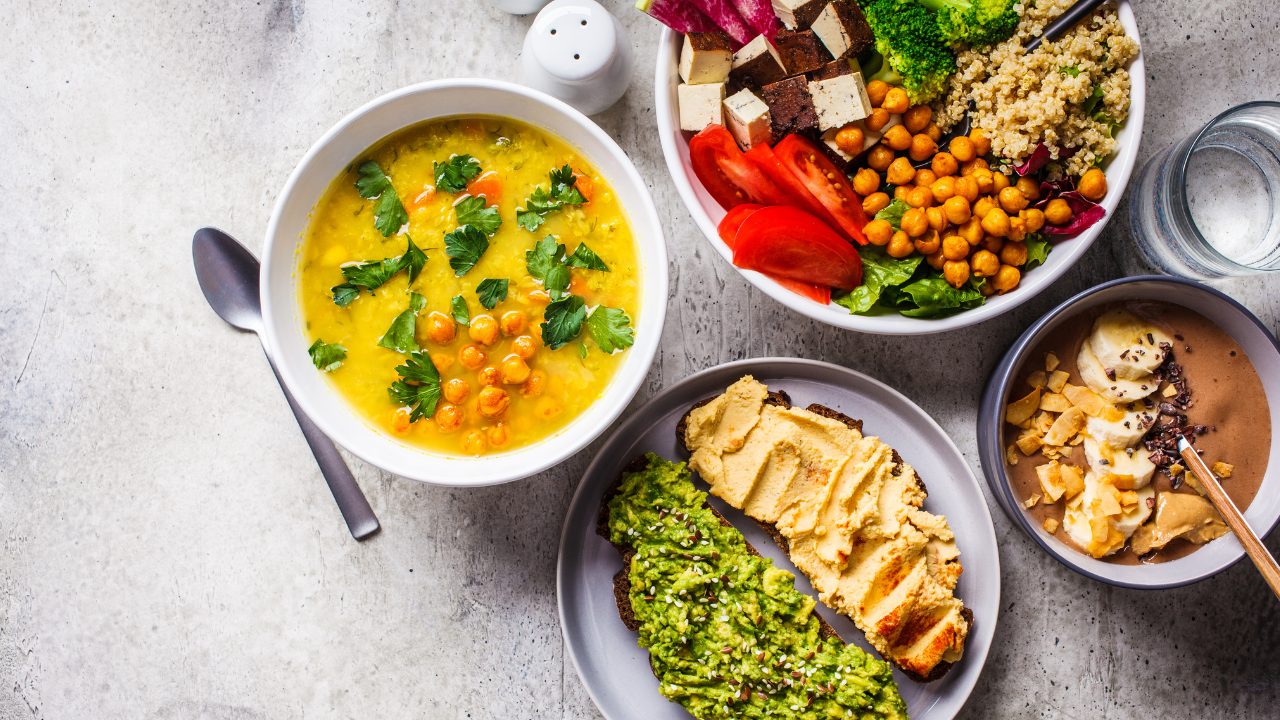
4. Anti-inflammatory Diet Tweaks
-
Ditch seed oils, refined sugar, and ultra-processed snacks
-
Add fermented foods like sauerkraut, kimchi, or kefir
-
Rotate food groups to reduce sensitivity buildup
Lifestyle Changes That Support Gut Healing
Sleep and stress matter just as much as food. Your vagus nerve connects the brain to the gut—when you’re dysregulated, your digestion suffers. Tools like breathwork, infrared wraps, or weighted blankets can calm the nervous system and improve gut-brain signaling.
FAQs
Do I need a stool test to get started?
Not always. Start with low-risk, foundational practices. Testing can be helpful later if issues persist.
Can probiotics make symptoms worse at first?
Sometimes yes—especially if there’s overgrowth (like SIBO). Start low and slow, or work with a functional practitioner.
Wrap-Up
Gut health is foundational to inflammation recovery. It affects how your immune system behaves, how you digest nutrients, and how resilient your body feels day to day.
Want to see our favorite gut-support tools, probiotics, and infrared therapies?
Browse the Inflammation Directory for curated solutions that actually work.