In the last decade, wearables have moved beyond step-counting and calorie tracking into a far more meaningful role in personal health. For those living with chronic inflammation—whether driven by autoimmune conditions, stress, poor sleep, or overtraining—wearables now offer a practical, research-backed path to both understanding and addressing the underlying patterns that drive physical and emotional symptoms.
This article explores how health-focused wearables like the Apollo Neuro, Oura Ring, and WHOOP band can support the body in lowering systemic inflammation, improve recovery, and create personalized, data-driven habits. If you’ve been looking for a sustainable tool to support nervous system health and long-term healing, wearables may be the missing link.
What Problem Do These Wearables Solve?
Inflammation is the root of many modern health challenges—chronic fatigue, hormonal imbalance, poor digestion, autoimmune flares, anxiety, joint pain, and even cognitive decline. While anti-inflammatory diets, supplements, and movement protocols are helpful, they often don’t address the core of the problem: the nervous system’s stress state.
Most people live in a near-constant sympathetic (fight-or-flight) state without realizing it. This chronic activation drives up cortisol, impairs sleep, and disrupts metabolic processes—all of which fuel inflammation. That’s where wearables come in: they help you measure and shift these patterns in real time.
Key Benefits of Using Wearables for Inflammation
-
Real-Time Biofeedback
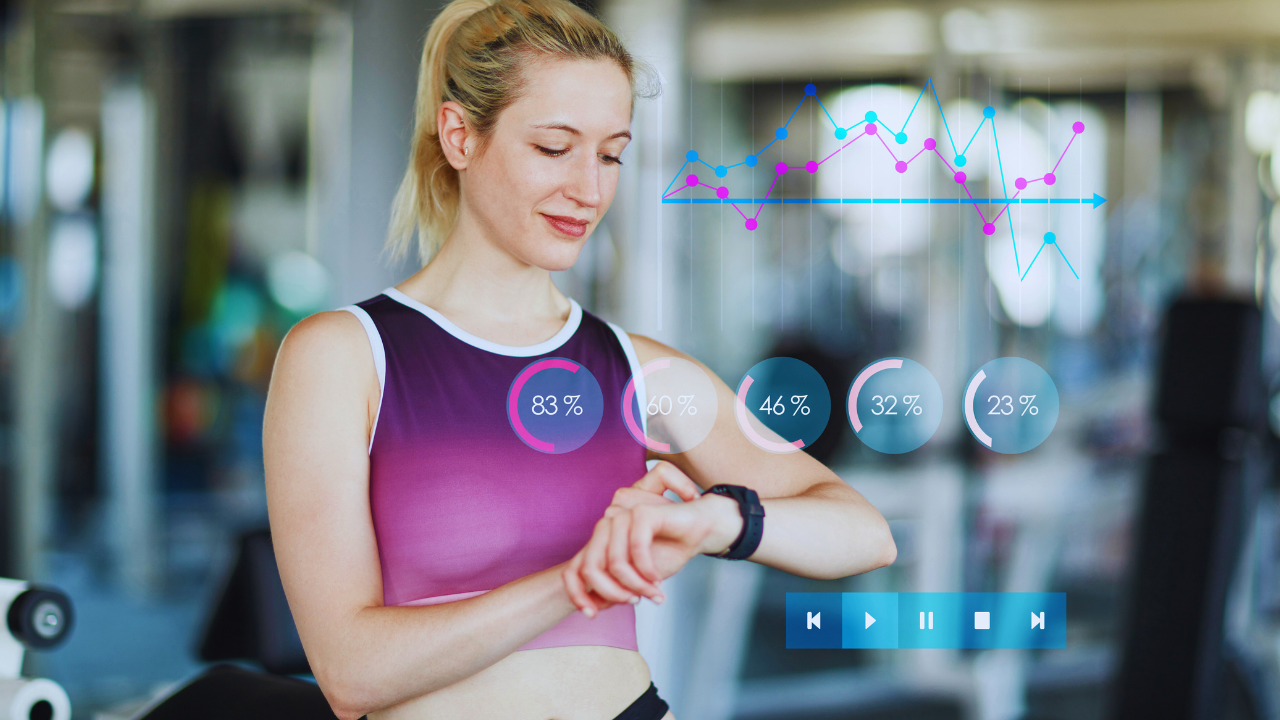
Devices like Oura and WHOOP track Heart Rate Variability (HRV), resting heart rate, skin temperature, and sleep cycles. These metrics offer a window into your autonomic nervous system function—a crucial indicator of how inflamed or regulated your body is at any given time. -
Nervous System Regulation
Apollo Neuro goes a step further. Instead of just measuring your stress, it helps reduce it. Using vibration-based touch therapy, Apollo actively engages your parasympathetic system to bring calm, improve HRV, and build long-term nervous system resilience. -
Sleep Optimization
All three wearables shine when it comes to improving sleep quality. Poor sleep increases inflammatory markers like IL-6 and CRP. When you optimize your sleep cycles—especially deep and REM stages—you reduce those inflammatory triggers. -
Recovery Tracking
WHOOP’s recovery score helps athletes and high-performers avoid overtraining, which is a known driver of systemic inflammation. It empowers users to rest when needed, rather than pushing through fatigue. -
Early Warning Signals
Because these tools monitor subtle shifts (like elevated body temp or reduced HRV), they can flag inflammation before symptoms even show up—allowing for proactive choices and interventions.
Use Cases: Real People, Real Impact
-
Busy professionals with chronic stress: Using Apollo throughout the workday has helped many reduce anxiety, increase focus, and avoid evening cortisol spikes that sabotage sleep.
-
Perimenopausal women: Hormonal shifts can exacerbate inflammation and sleep issues. Oura’s menstrual cycle insights and sleep data help users understand how to shift their routine based on real-time feedback.
-
Athletes and active recovery: WHOOP gives serious athletes daily recovery scores to guide training intensity, helping to avoid burnout and injury.
-
People with autoimmune or mystery illnesses: By seeing how sleep, stress, and recovery data correlate with symptom flares, users gain clarity over what’s triggering inflammation.
Standout Features to Know
-
Apollo Neuro
-
Vibration-based touch therapy for calming the nervous system
-
Eight modes for sleep, relaxation, social ease, focus, and more
-
Clinical studies show significant improvements in HRV and sleep
-
-
Oura Ring
-
Tracks HRV, sleep stages, body temp, and readiness
-
Integrates with Natural Cycles for menstrual health
-
Easy, passive use—just wear it while living your life
-
-
WHOOP Band
-
Daily recovery scores based on sleep, HRV, and strain
-
Useful for training optimization and lifestyle changes
-
Monthly reports that highlight behavioral trends and inflammation patterns
-
Common Questions and Objections
“Is this just another tech gimmick?”
It’s fair to be skeptical—many products promise health benefits without delivering. But wearables like Apollo, Oura, and WHOOP are built on peer-reviewed science. Apollo’s nervous system benefits have been tested in clinical settings, and both Oura and WHOOP have extensive datasets showing how their insights help users make meaningful changes.
“Will I actually use it consistently?”
This depends on your lifestyle, but the learning curve is low. Apollo runs in the background. Oura and WHOOP auto-track your data. There’s no calorie counting or manual input. Once you start noticing better sleep, more energy, and fewer flares, the motivation grows.
“Are they medical devices?”
No, these are wellness tools—not intended to diagnose or treat diseases. But for those looking to support healing, self-regulation, and proactive health, they’re invaluable.
Pricing Overview
-
Apollo Neuro: Starts around $349. Occasionally available in bundles or payment plans.
-
Oura Ring (Gen 3): Around $299 plus optional $5.99/month membership for advanced insights.
-
WHOOP: Subscription-based—starts at $30/month, with discounts for annual memberships.
[Note: Prices fluctuate. Always check the official website for current offers.]
Final Takeaway: Are Wearables Worth It?
If you’re dealing with chronic inflammation, poor recovery, or nervous system dysregulation, wearables are one of the few tools that offer both insight and intervention. They don’t replace medical treatment or lifestyle changes—but they amplify your ability to understand your body, shift your state, and support healing from the inside out.
Whether you’re drawn to the soothing pulses of Apollo, the detailed insights of Oura, or the performance-based tracking of WHOOP, these devices give you the kind of personalized, continuous data that traditional health care often can’t provide.
Start where you are. Use what you can. But if you’re serious about lowering inflammation and building a more regulated, resilient body—exploring wearables is a smart next step.
👉 Learn more about these products by visiting their respective websites and reading user stories, clinical research, and feature breakdowns.
Want more tools to support your nervous system and lower inflammation? Stay tuned for our next article covering guided breathwork apps, light therapy, and stress-minimizing tech integrations.