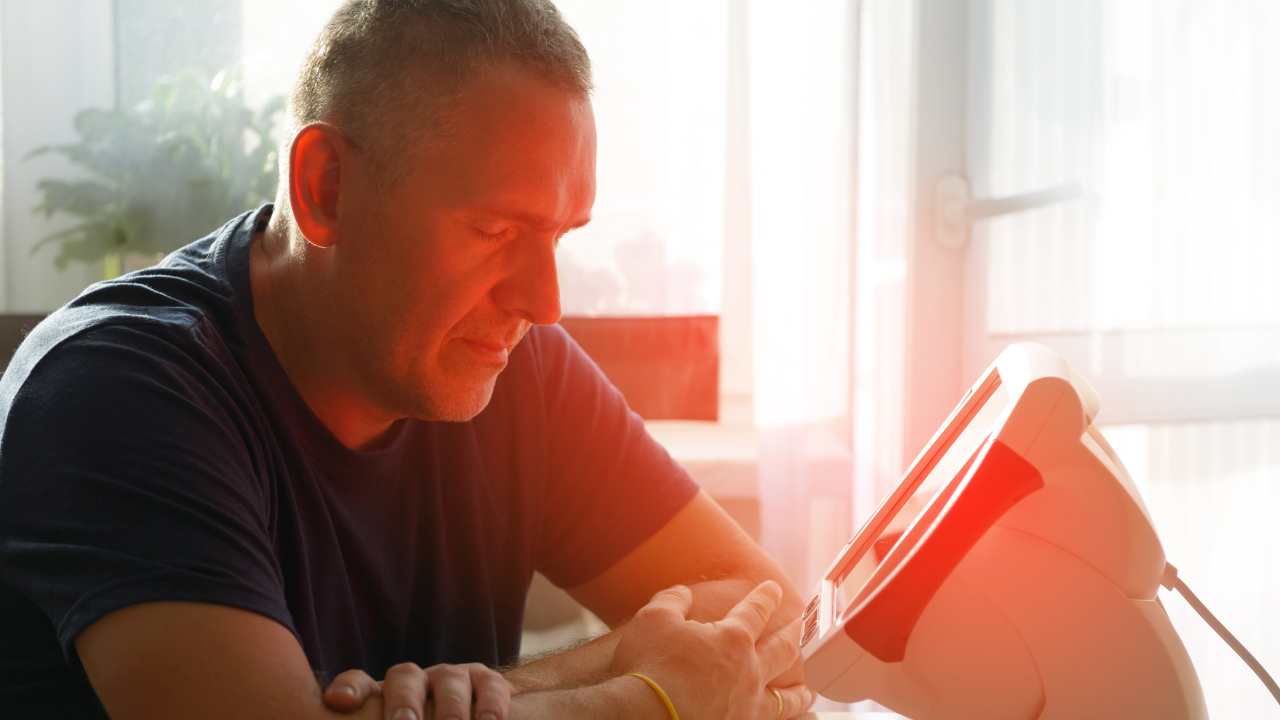
Infrared therapy has gone mainstream in the wellness world—but what does the science actually say about its ability to reduce inflammation? In this deep dive, we’ll break down how near, mid, and far infrared work on cellular pathways, look at the human research, and help you decide which tools are worth your time and investment.
What Is Infrared Therapy?
Infrared light is electromagnetic radiation that ranges from near (NIR) to far (FIR). These technologies deliver heat differently than traditional saunas: NIR penetrates skin and promotes tissue repair, while FIR heats deeper tissues and encourages detox via sweat.
Near Infrared: Wound Healing & Cellular Repair
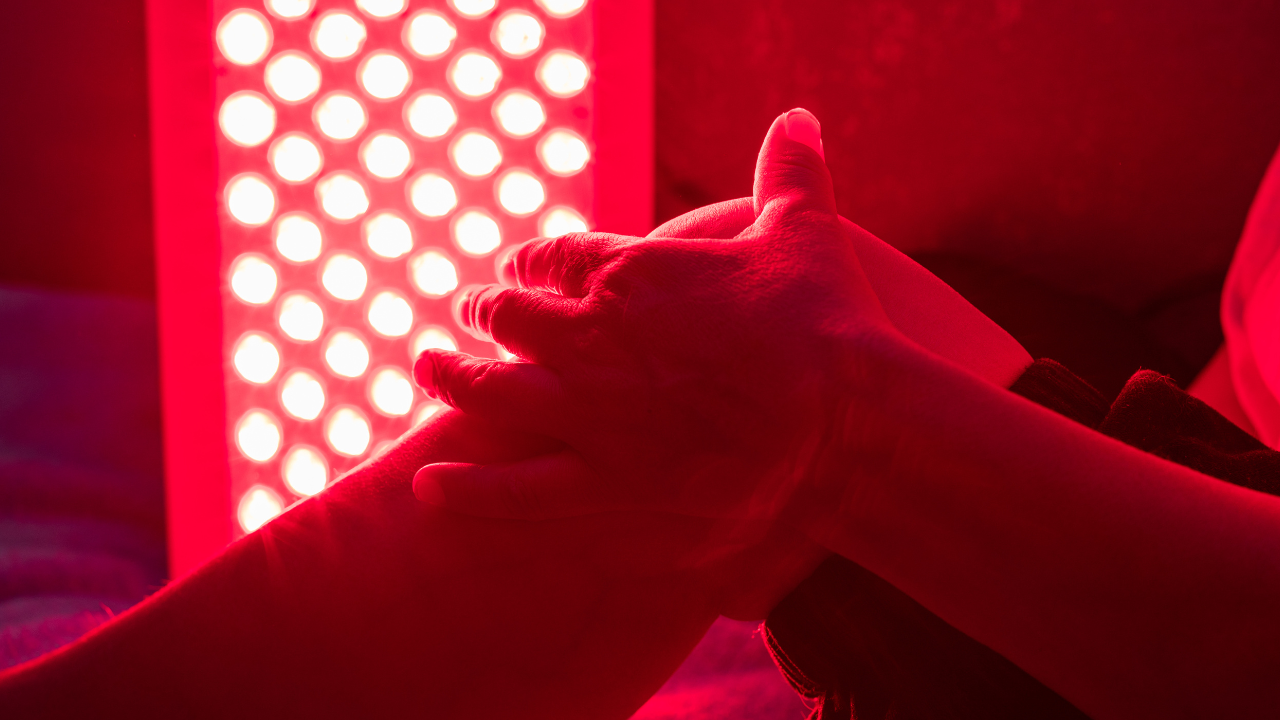
NIR—typically 700–950 nm—boosts mitochondrial activity, ATP production, and nitric oxide. Studies show it reduces markers like CRP and TNF‑α, speeds wound repair, and eases joint inflammation. Devices: handheld panels, photobiomodulation tools.
Mid Infrared: The Middle Ground
Mid-infrared (950–2,500 nm) balances NIR benefits with deeper penetration, supporting circulation and tissue flexibility. While less widely researched alone, M‑IR is often combined with FIR in full-spectrum panels for inflammation reduction and pain relief.
Far Infrared: Detox, Circulation, Heat Shock Proteins
FIR (2,500–14,000 nm) encourages vasodilation, lymphatic flow, and expression of heat shock proteins (HSPs) that promote cellular resilience. Clinical trials show FIR saunas reduce IL-6, CRP, and even depressive symptoms and blood sugar levels.
What the Research Shows: Inflammation Markers
 ![]
Human trials:
![]
Human trials:
-
Chronic pain patients using FIR saw 30–40% improvements in pain and stiffness after 8 weeks.
-
People with metabolic syndrome had reduced CRP and fasting insulin with FIR twice weekly.
-
NIR handheld treatments accelerated muscle repair and reduced DOMS in athletes.
-
Full-spectrum devices performed slightly better in head-to-head small trials.
Comparison & Product Considerations
-
NIR devices are portable and beginner-friendly; FIR saunas require more space/money.
-
For targeted joint care, NIR is efficient and lower heat.
-
For full-body inflammation, FIR saunas (or blankets) offer more impact—but need hydration monitoring.
-
Most infrared sauna blankets fall in the 120–150°F range for safe, sustainable sessions.
Real-World Use Cases
-
Autoimmune flare-ups: gentle FIR sessions support blood detox and reduce joint swelling.
-
Post-exercise recovery: NIR handheld devices ease soreness quickly after workouts.
-
Metabolic and cardiovascular support: combining FIR with breathwork and sweating can improve inflammatory and insulin markers.
Safety & Best Practices
-
Stay hydrated.
-
Start with short exposure—like 10 minutes—and build up.
-
Monitor how you feel—especially if you have unstable blood pressure or are pregnant.
-
Combine with breathwork or passive recovery tools to enhance parasympathetic activation.
Final Thoughts
Infrared therapy is scientifically validated for inflammation support—but results depend on modality, frequency, and consistency. Whether it’s a cozy sauna blanket, a portable NIR panel, or a mixed light cabin, pair it with hydration, passive recovery, and breathing practices to see the best outcomes.
Ready to explore high-quality infrared tools that fit your home and goals? Browse our curated collection in the directory and start exploring today.